The all-new domestic BMW i3L
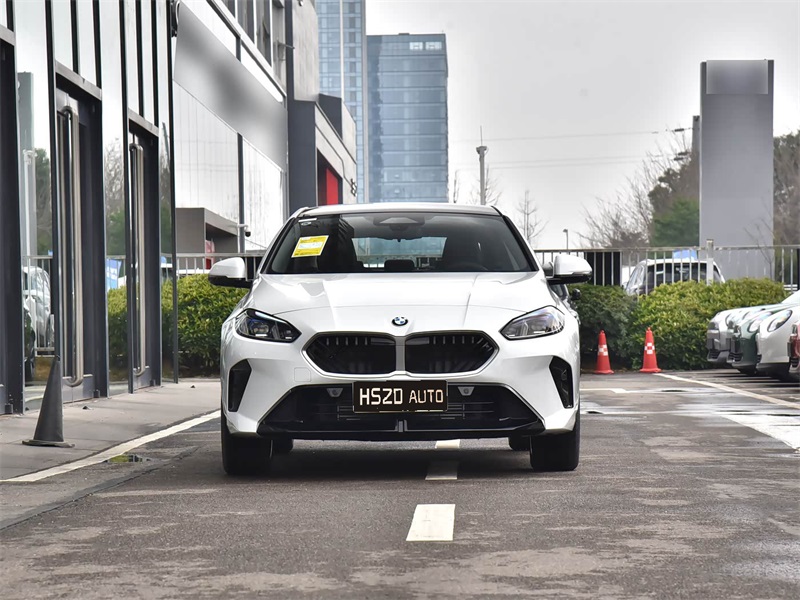
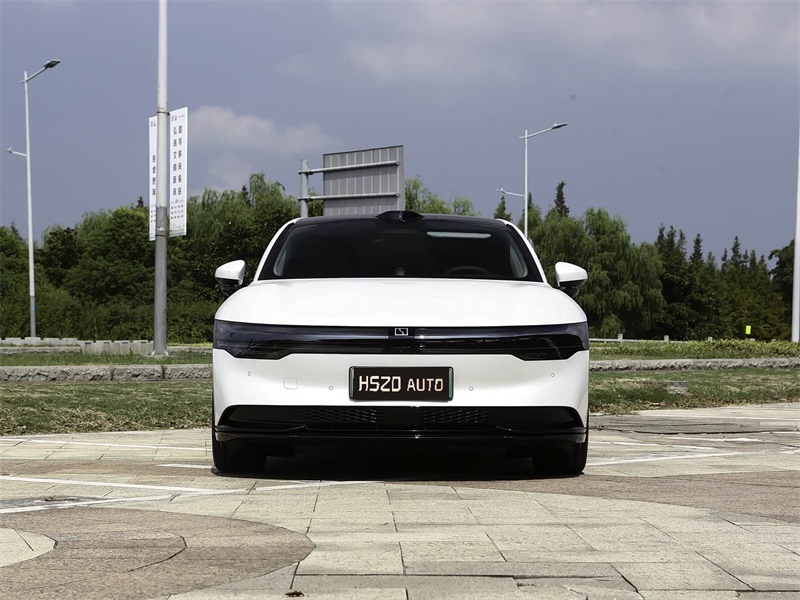
The 2026 Beijing Auto Show is about to kick off. The BMW Group will first host the 2026 BMW Brand Night on April 22, featuring a lineup of highly anticipated new models.Undoubtedly the biggest highlight will be the world premiere of the domestically-produced next-generation BMW i3 long-wheelbase version. Adopting the full next-generation design language, the new model will make its official debut and interpret BMW’s vision for next-generation premium mobility. Let’s take an in-depth look at how this all-new sedan carries forward the classic design essence of BMW.
I. Front Fascia: Electrified Reinvention of the Double Kidney Grille and Angel Eyes
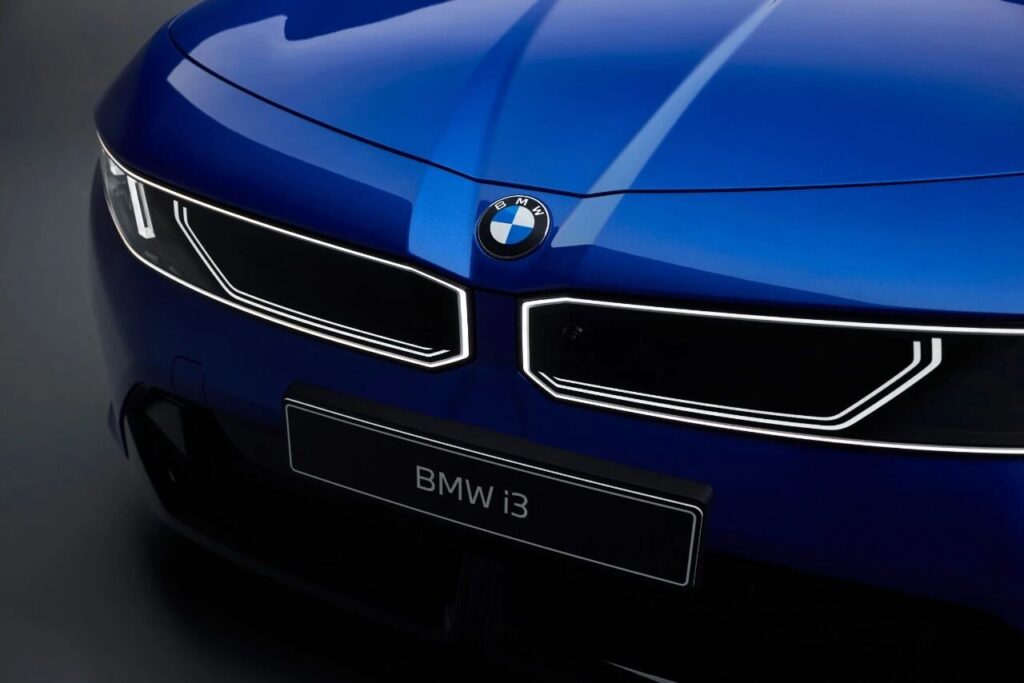
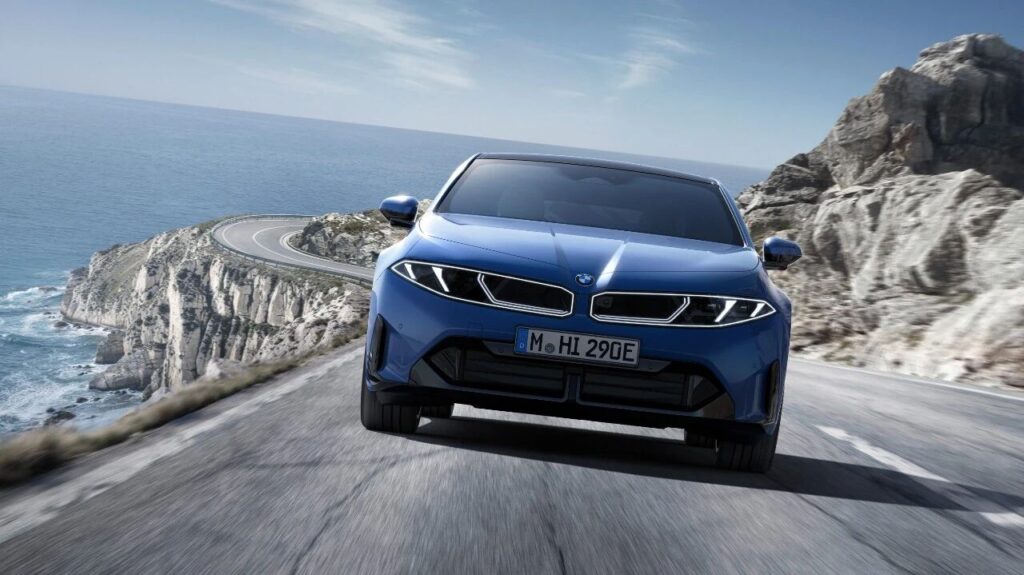
The front fascia of the next‑generation i3 stands at the center of controversy and also embodies BMW’s design heritage most vividly.
The iconic double kidney grille, a design legacy dating back to the 1933 BMW 303, is here to stay. It has undergone a stunning transformation from a functional air intake to a digital interactive interface, evolving into a closed ring-shaped illuminated grille. Its classic outline is defined by LED light strips. No longer tasked with air intake, it has become the most recognizable visual highlight of the vehicle, perfectly tailored to the technical characteristics of a pure electric model.
2.Body: Hofmeister Kink and Sporty Proportions
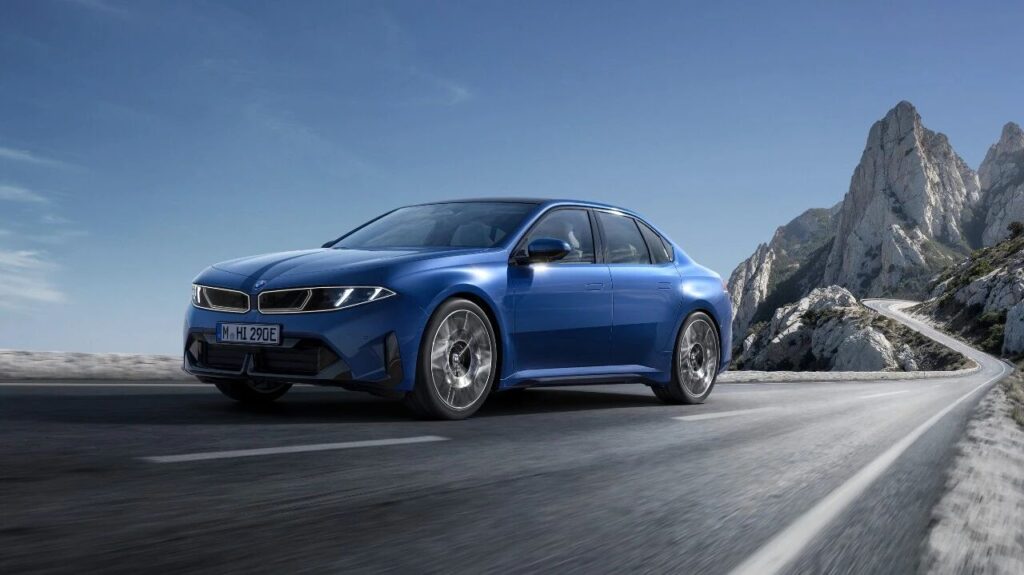
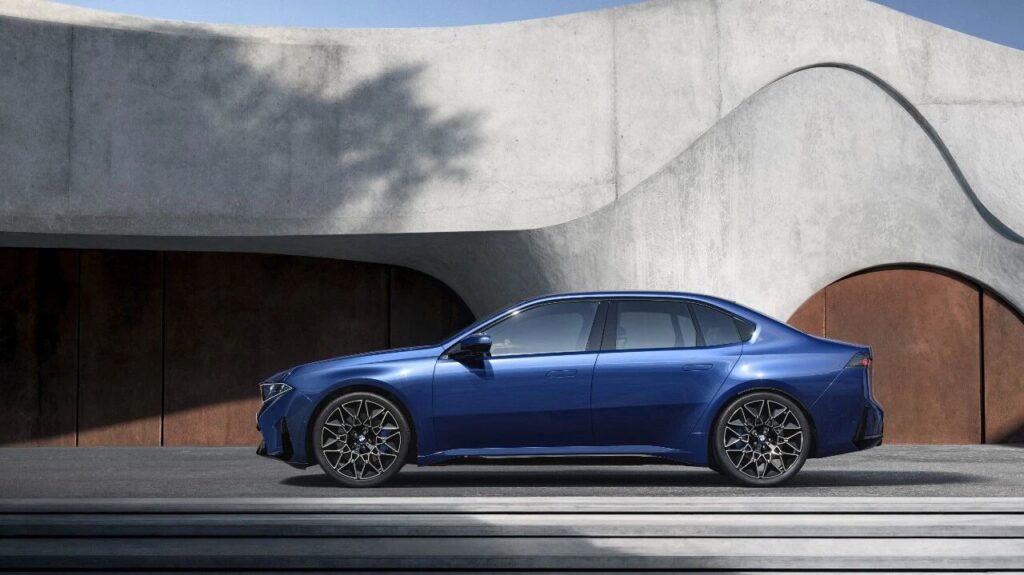
On the side profile, the next-generation i3 carries on BMW’s classic layout with a short front overhang and long wheelbase. Paired with a sleek fastback roof and wide wheel arches, it creates a poised, forward-leaning stance ready to surge forward. The side lines return to the brand’s early rugged design traits. Crisp creases and tensioned curved surfaces are adopted, together with slightly forward-tilting and parallel shoulder and character lines that converge at the wheel arches, delivering a powerful muscular presence.
3. Rear End: Modern Interpretation of L-shaped Taillights
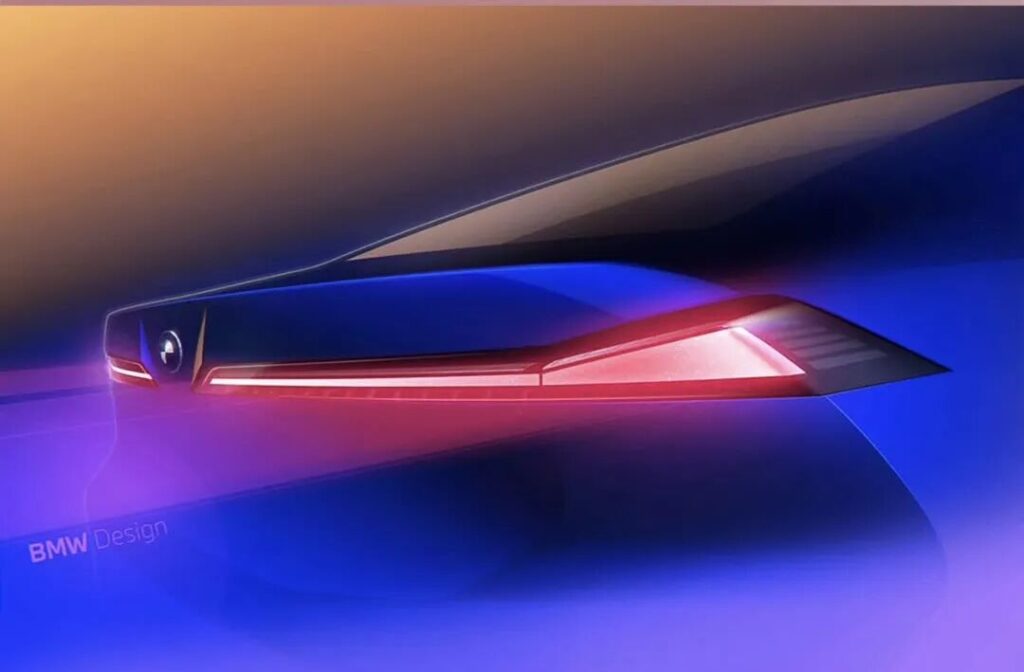
The rear design adopts the minimalist styling of the next-generation design language, while retaining classic BMW design cues.
First introduced on the original 1999 BMW X5, the L-shaped taillight has long served as an iconic BMW family design feature and has since been applied across the entire product lineup.
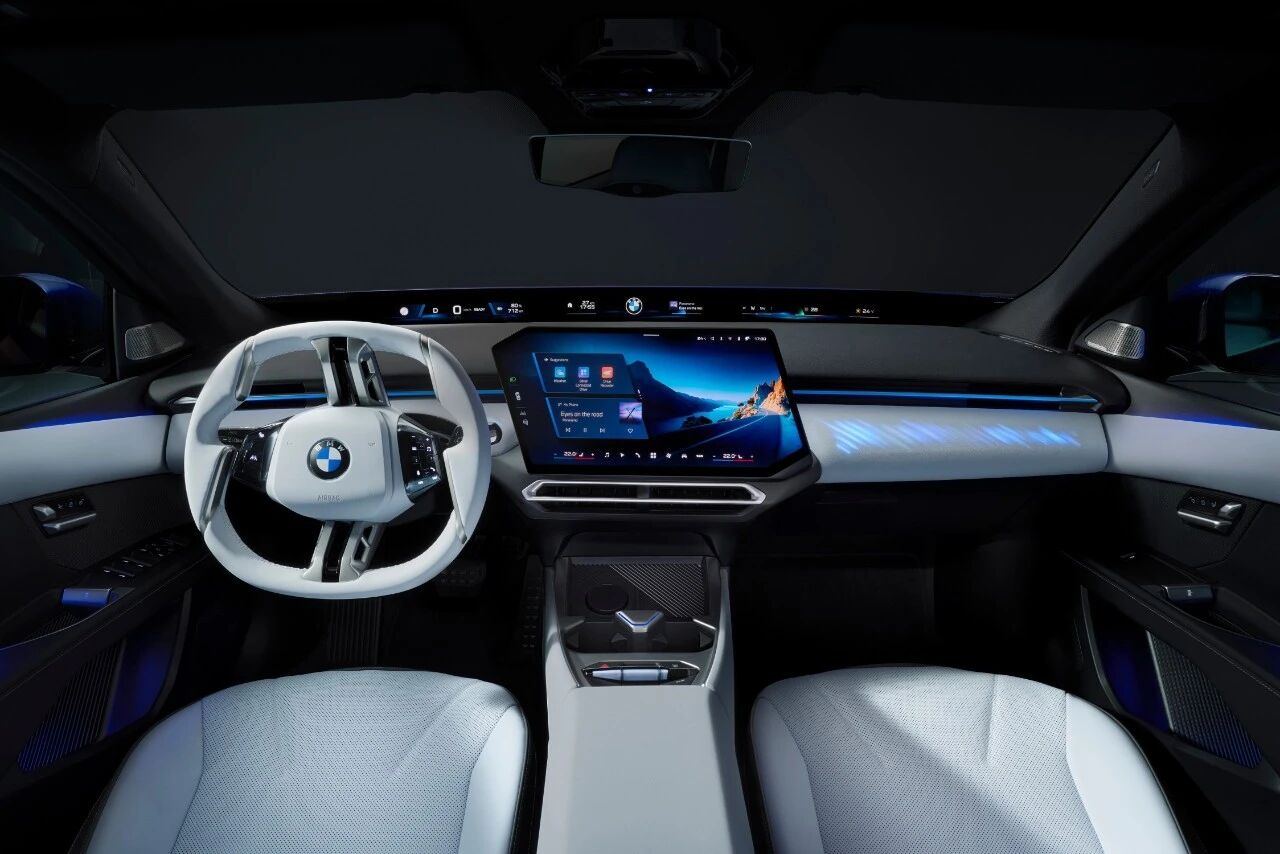
4. Interior: Adherence to the Driver-Oriented Cabin Concept
The cabin of the all-new i3 clearly showcases a next-generation design style, elevating BMW’s driver-centric philosophy to new heights. Despite adopting disruptive technologies such as brand-new polygonal displays and horizon-level panoramic displays, as well as removing the traditional instrument cluster, the center console remains resolutely angled toward the driver.