Is battery life important?
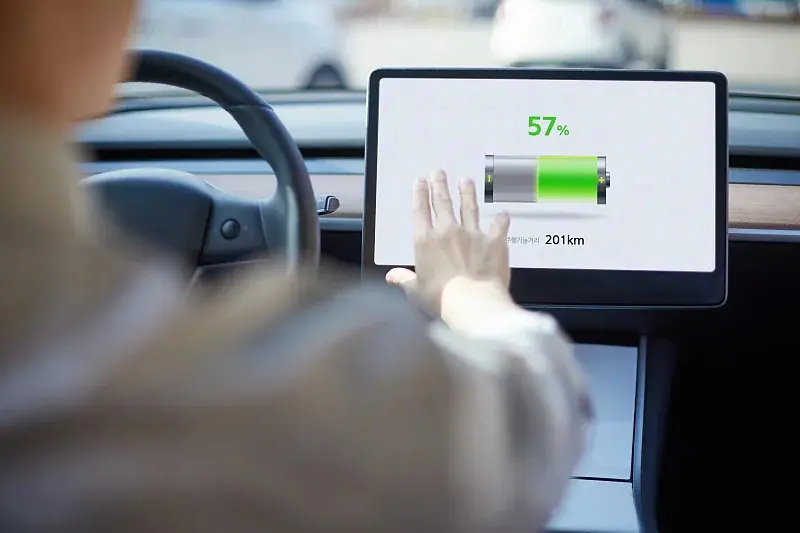
At the Guangzhou Baiyun Airport charging station, a BYD Han EV with 240,000 km on the odometercaught everyone’s attention. While changing tires, a mechanic stared af the battery health displayed on the central screenand could barely speak -after three years, the battery capacity remained at 94.8%, even better than most private cars. Thedriver laughed: “The battery isn’t a sacred object; you need to know how to manage it.’Here are 4 facts you need to know about battery life.
1.Full Charge Obsession Harms the Battery
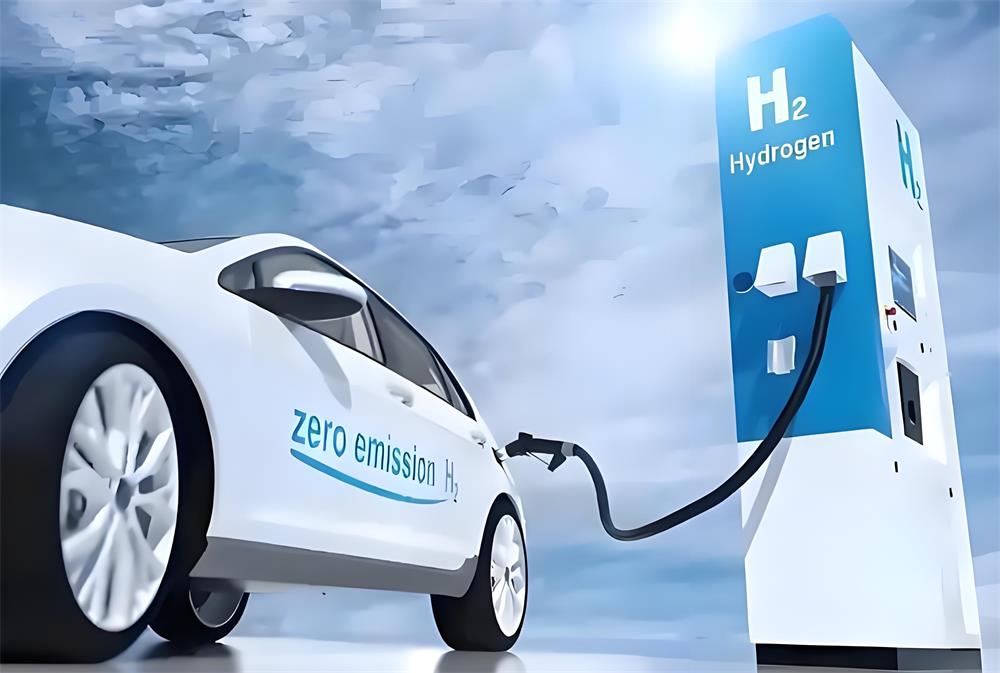
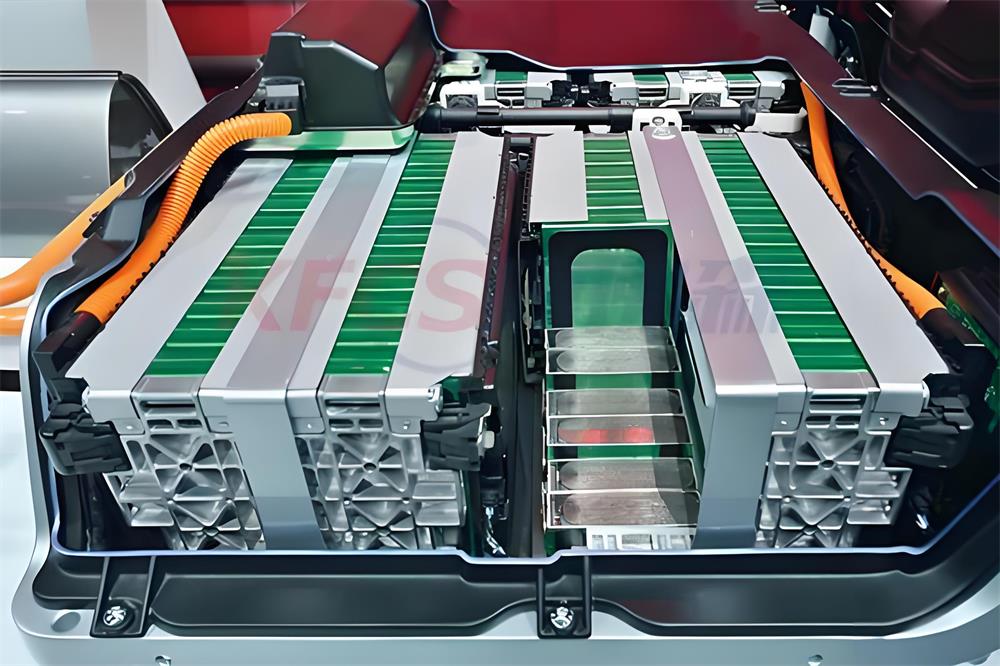
Many EV owners habitually charge to 100%, thinking i gets the most out of their electricity. However, keeping the battery fullycharged constantly puts if under high voltage stress. Experiments show that batteries maintained at 100% charge degrade15% more after two years than those kept at 80%.
Lithium batteries fear both “starvation” and “overfilling.” Research from Tsinghua University indicates that cycling a batterywithin 40%-60% charge can triple its lifespan. For daily use, keep the battery between 45%-75%. Perform a deep calibrationonce a month, and before long trips, use the “Travel Mode” to charge up to 97%. This is the proper way to maintain batteryhealth.
2.Running the Battery to Empty Is a Slow Killer
Many people think letting the battery drain completely saves energy-but this is a big mistake. When the charge drops belowthe 20% warning line, the battery’s chemical balance is disrupted, causing irreversible damage. A fully drained battery canpermanently lose 5%-10% of its capacity after recharging.Industry tests show that vehicles cycling between 30% -90% refain s10% degradation after five years. By contrast, carsfrequently drained to empty may experience >25% degradation.
3.Fast Charging Is Convenient but Costly
A Shanghai ultra-fast charging station experiment revealed that three consecutive 120kW fast charges raised batterytemperature by 18°C compared to slow charging. This accelerates SEI film growth by 4 times. Vehicles using fast chargingfrequently can reach 22% capacity loss in three years, while mostly slow-charged vehicles show only 12% loss.
To protect your battery: after fast charging, let the vehicle rest for 20 minutes before driving. Perform one full slow-chargecycle per week using a 7kW charger. In winter, always activate the battery preheating function before fast charging. This canreduce lithium plating risk by 30%.
4. Extreme Temperatures Are Hidden Killers
A Shenzhen EV owner tested their car in 38 C heat. After six hours of direct sunlight, a vehicle without protection had abattery temperature 11°C higher than a car using a smart thermal cover Even using the battery femperature control systemat night can reduce annual degradation by 0.8%.
Cold weather is equally dangerous. At 0°C, lithium-ion mobility is only 60% of that af 25°C. Charging under low temperaturesmay cause lithium dendrite growth. EV owners in cold regions should use the scheduled charging function and preheat thebattery 30 minutes in advance, which increases charging efficiency by 20%。