How to Check Car Engine Oil | Color,Level, Pressure GuideHow to Check Car Engine Oil? Engine oil is as essential to a car as blood is to the human body. If provides lubrication,cleaning, cooling, and sealing-all critical functions for engine health. To determine whether your engine oil is in goodcondition, you can evaluate it from several key aspects.
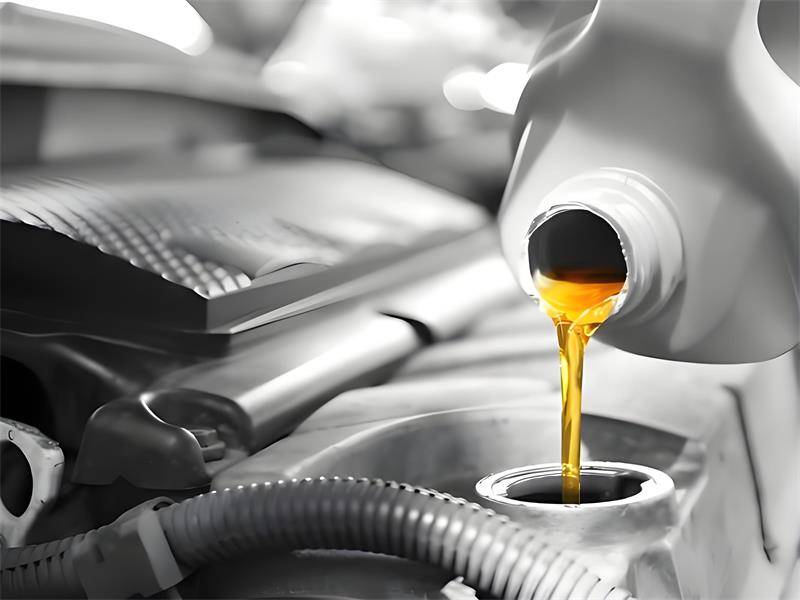
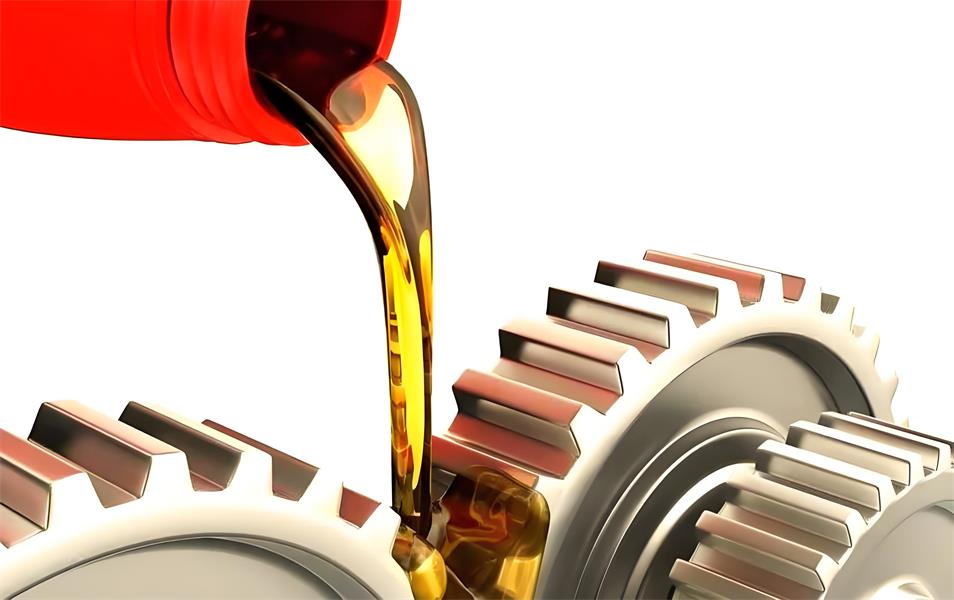
1.Check the Color and Texture of Engine Oil
Observing the color and texture of engine oil is the first step in identifying its condition.
Normal oil: Golden yellow or light yellow, smooth in texture, and good fluidity.Abnormal oil:If the oil furns dark or black and becomes thick, it may mean contamination or that the oil has reached its replacement cycle.If the oil becomes too thin and watery, fuel or coolant may have mixed with it.If the oil is excessively sticky with poor fluidity, oxidation or additive breakdown may be the cause.
2. Check the Engine Oil Level
The oil level is another critical indicator. To measure it correctly:
Park the vehicle on a flat surface and let the engine cool for 10-15 minutesOpen the hood, pull out the dipstick, and wipe it clean.Insert it back fully, then pull it out again to check the level.The oil level should be between the minimum and maximum marks on the dipstick.
If it’s below the minimum, your engine may have an oil leak or consume oil too quickly.If it’s above the maximum, it could mean overfilling or contamination with coolant or fuel.
3. Monitor the Engine Oil Pressure
Oil pressure directly reflects the circulation of oil in the engine.
After starting the car, the oil pressure warning light should briefly illuminate and then go off.If the light stays on or flashes while driving, it signals abnormal pressure.Possible causes:
Low pressure: Oil pump failure, clogged oil filter, or leakage.
High pressure: Oil viscosity too high or filter blockage.
4. Why Regular Engine Oil Checks Matter
Routine checks of oil color, level, and pressure help you identify problems early and keep your engine running smoothly.
Ignoring these signs can lead to poor lubrication, overheating, or even engine failure.
If you find unusual oil conditions or feel unsure, it’s best to visit a professional auto repair shop for inspection andmaintenance.
If you have a need to buy a car, or if you run a car business, were here o help. As a leading exporter with over 13 years ofexperience,HSZD Used Cars offers a wide range of vehicle brands (100+), efficient logistics, and after-sales support.Contact us today to learn more. Simply le us know what you’re looking for, and we’ll provide you with an unmatched sourcingexperience. Explore our news section for more automotive insights and tips for running a successful dealership.
How to Check Car Engine Oil
Engine oil naturally darkens as it absorbs carbon deposits and combustion by-products. However, ifi furns black foo fast, itmay indicate poor oil quality or overdue replacement.
Low oil levels reduce ubrication, increase engine wear, and may cause overheating or even engine seizure. Always keep thelevel between the dipstick marks.
Yes. Overfiling can cause foaming, increased pressure, and contamination if fuel or coolant mixes with oil This can damageseals and reduce lubrication efficiency.
I’s recommended to check at least once a month or before long trips. Regular checks help you detect leaks, abnormalconsumption, or contamination early.
If the oil pressure light stays on after startup or appears while driving, it signals abnormal pressure. Causes may include oilpump failure, clogged filters, or low oil levels.